ECG
Blog posted on: 2026-02-28 17:29:45
Blog last updated on: 2026-10-18 07:57:59
Blog Summery
importance of ECG
Blog Description
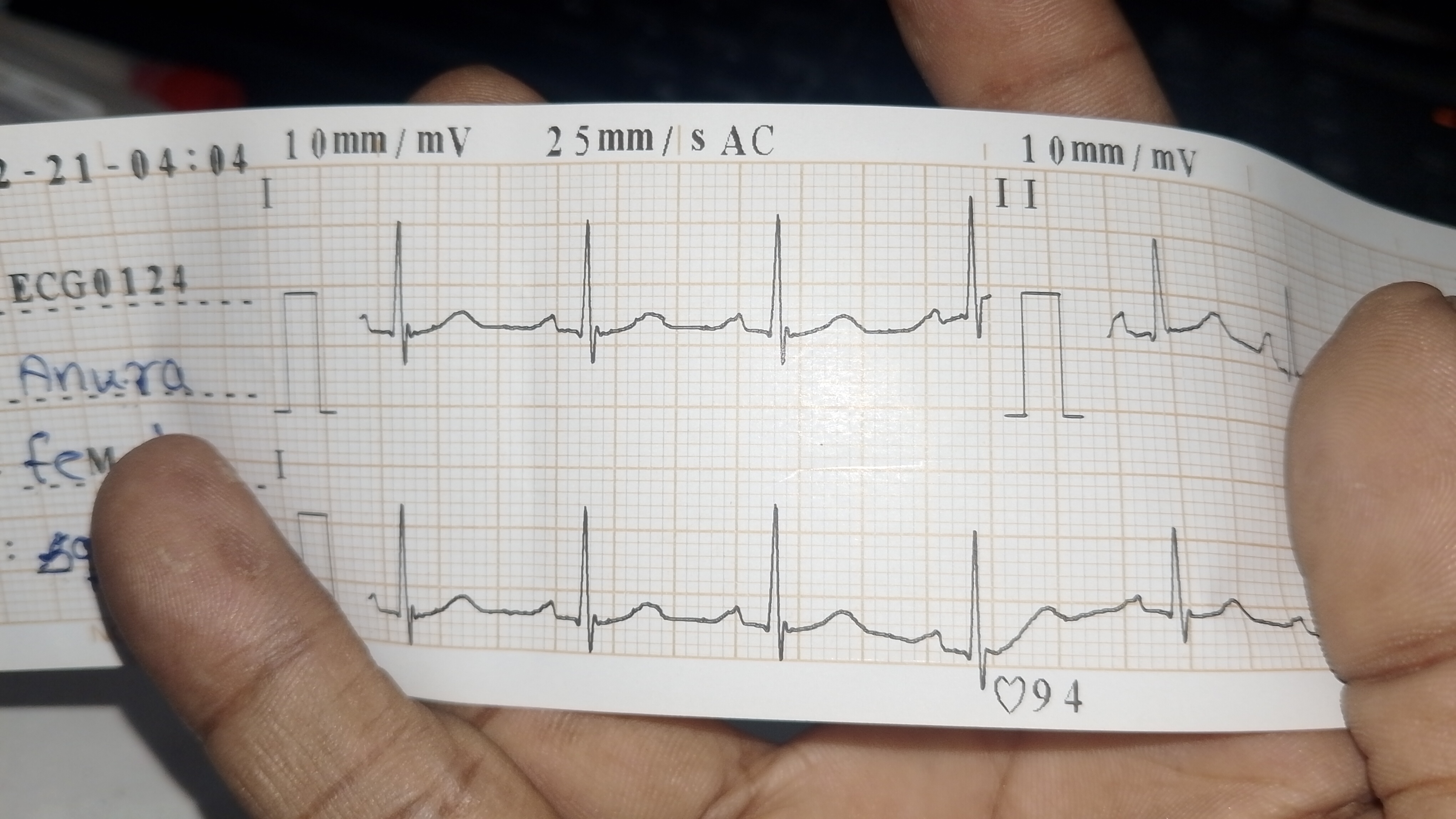
An ECG (Electrocardiogram), also known as an EKG, is a quick and painless test that records the electrical signals of your heart to monitor its health. It is one of the most common tools used to evaluate the heart's rate and rhythm.
What is an ECG used for?
Doctors use ECGs to diagnose and monitor various heart conditions, including:
- Arrhythmia: An irregular heartbeat that is too fast, too slow, or uneven.
- Heart Attack: Identifying signs of a past or current heart attack (myocardial infarction).
- Coronary Artery Disease: Checking for narrowed or blocked arteries that may be causing chest pain.
- Heart Failure & Cardiomyopathy: Assessing how well the heart's chambers and valves are working.
How it Works
- Electrodes: Small, sticky patches (electrodes) are placed on your chest, arms, and legs.
- Signal Detection: These sensors detect the natural electrical impulses that coordinate your heartbeats.
- Recording: The information is transmitted to a machine and printed as a line graph (the "trace") for analysis.
A standard ECG looks at several specific "waves" and "intervals":
- P-wave: Represents the electrical activity of the top chambers (atria).
- QRS Complex: Represents the activity of the bottom chambers (ventricles) as they pump blood.
- T-wave: Shows the ventricles recovering (repolarizing) for the next beat.
- PR Interval: The time it takes for the signal to travel from the top to the bottom of the heart.
Types of ECG Tests
Depending on your symptoms, a doctor might use different versions:
- Resting ECG: Performed while you are lying down and still.
- Stress Test: Recorded while you exercise on a treadmill or bike to see how your heart handles physical activity.
- Holter Monitor: A small, portable device you wear for 24 to 48 hours to record heart activity during your daily routine. #nirolalab #ECG